



Modernizing Aging Plumbing Systems: What Homeowners Should Know
Installation | FlowGuard Gold® CPVC | Plumbing | residential plumbing
Most homeowners don't think much about their plumbing systems until something goes wrong. Pipes hidden behind walls, under floors, and above ceilings quietly deliver water throughout the home every day. But like any major home system, plumbing infrastructure ages over time.
Knowing when to evaluate, upgrade, or replace older plumbing can help homeowners avoid costly disruptions, plan future renovations more effectively, and make informed decisions about their home's long-term performance. Whether you're dealing with recurring repairs, considering a remodel, or simply wondering about the condition of your existing pipes, understanding the basics of plumbing system modernization can help you prepare for the future.
Recognizing the Signs of an Aging Plumbing System
Many plumbing systems continue functioning long after signs of wear begin to appear. Because plumbing issues often develop gradually, homeowners may not recognize the warning signs until a larger problem emerges.
Some common indicators that replacing aging plumbing may be worth evaluating include:
- Frequent leaks or recurring repairs
- Reduced water pressure throughout the home
- Discolored water or inconsistent water quality
- Visible corrosion, deterioration, or aging pipe materials
- Water damage stains on ceilings, walls, or floors
- Plumbing systems approaching the end of their expected service life
- Increasing maintenance costs over time
- Difficulty finding replacement parts for older systems
A single plumbing issue does not necessarily mean a whole home repipe is required. However, when multiple warning signs appear together, it may be time to schedule a professional plumbing evaluation.
Why Regular Plumbing Evaluations Matter
Most homeowners routinely maintain HVAC equipment, inspect roofing systems, and service major appliances. Plumbing systems deserve similar attention, especially in older homes.
Periodic plumbing evaluations can help homeowners:
Identify Issues Before They Escalate
Small leaks or hidden deterioration can lead to significant water damage if left undetected. Early identification may help avoid more extensive repairs later.
Support Long-Term Budget Planning
Rather than responding to unexpected plumbing failures, homeowners can better plan for future improvements and make informed budgeting decisions.
Coordinate with Renovations
Major remodeling projects often create an ideal opportunity to review existing plumbing infrastructure. Since walls and ceilings may already be open during renovations, plumbing upgrades can often be completed more efficiently.
Improve System Reliability
A modern plumbing system can help support consistent water delivery throughout the home and reduce concerns about recurring plumbing repairs.
Periodic evaluations help homeowners better understand the condition of their plumbing systems and plan confidently for future improvements.
Factors That Influence Plumbing System Replacement Decisions
Every home is different, and there is no universal timeline for repiping a home. Replacement decisions should be based on several factors rather than age alone.
Reliability and Performance
If a plumbing system requires frequent repairs or experiences ongoing performance concerns, homeowners may find that replacement offers a more predictable long-term solution.
Maintenance Requirements
Repeated service calls can add up over time. When maintenance becomes increasingly frequent, many homeowners begin evaluating whether modernization may offer better long-term value.
Renovation Plans
Kitchen remodels, bathroom renovations, and whole-home updates often present opportunities to upgrade plumbing infrastructure at the same time. Combining projects can help streamline construction schedules and minimize future disruptions.
Homeownership Goals
Whether you plan to stay in your home for decades, improve resale value, or prepare for future renovations, long-term goals should play a role in replacement planning.
Future Accessibility
In some homes, plumbing systems become more difficult to access due to finished basements, renovations, or structural modifications. Evaluating replacement before access becomes more challenging can simplify future work.
Planning a Successful Repipe Project
A plumbing system replacement requires careful planning. Understanding the process can help homeowners set realistic expectations and prepare for the project.
Start with a Comprehensive Assessment
The first step is evaluating the existing plumbing system.
During an assessment, a qualified plumbing professional will typically review:
- Pipe locations
- System layout
- Areas showing wear or deterioration
- Water pressure concerns
- Existing plumbing performance
- Future renovation plans
- Household needs and usage patterns
This evaluation provides the foundation for developing a repipe strategy that fits the home's current and future needs.
Establish Project Goals
Not every repiping project is driven by the same priorities. Homeowners may be focused on:
- Improving reliability
- Reducing future maintenance
- Supporting a renovation project
- Preparing for long-term ownership
- Increasing confidence in the home's plumbing infrastructure
Clearly defined goals can help guide planning and product selection.
Minimize Household Disruption
Homeowners often worry about how repiping work may affect daily life.
Before signing a repiping contract, homeowners should discuss key project expectations with their plumbing professional. Important topics include project scope, expected timelines, temporary water service interruptions, access requirements, restoration responsibilities, communication procedures, and budget considerations. Establishing expectations early can help reduce surprises and keep the project moving smoothly.
Successful projects typically include:
- Clear project timelines
- Strategic work sequencing
- Temporary water service planning
- Regular communication throughout the project
- Clearly defined costs and responsibilities
Proper planning can help minimize inconvenience while supporting an efficient installation process.
Understand Restoration and Closeout
Once installation is complete, walls, ceilings, and access areas are typically restored as needed. Testing and inspection procedures help confirm that the new plumbing system is performing as intended before the project is finalized.
The Steps Involved in a Whole Home Repipe
While every project is unique, most whole home repipe projects follow a similar process:
1. System Evaluation and Design
The home's plumbing system is assessed and a replacement strategy is developed.
2. Material Selection
A modern plumbing solution is selected based on the home's needs, installation requirements, and long-term goals.
3. Installation Planning
Project phases, access points, and work schedules are established.
4. New Plumbing Installation
The replacement plumbing system is installed according to applicable codes and project specifications.
5. Testing and Verification
Pressure testing and inspections help verify system performance and reliability.
6. Restoration and Closeout
Final restoration work is completed and homeowners receive information about their newly installed plumbing system.
When completed successfully, a repipe project can provide confidence that the home's plumbing infrastructure is prepared to support daily use for years to come.
What to Look for in Modern Plumbing Solutions
Selecting the right system is one of the most important decisions during a plumbing modernization project.
Homeowners evaluating modern plumbing solutions should consider several key factors.
Long-Term Reliability
A modern plumbing system should provide dependable performance throughout the life of the home.
Installation Efficiency
Efficient installation processes can help support project timelines and reduce disruption during remodeling or replacement projects.
Proven Performance
Products with extensive installation histories can provide additional confidence when evaluating replacement options.
Code Compliance
Any plumbing solution should meet applicable plumbing codes and project requirements.
Professional Familiarity and Support
Many homeowners appreciate solutions that are widely used and supported by trained plumbing professionals, helping simplify installation and future service needs.
Why Homeowners Trust FlowGuard Gold CPVC
When evaluating modern plumbing solutions, many homeowners look for products with a proven track record.
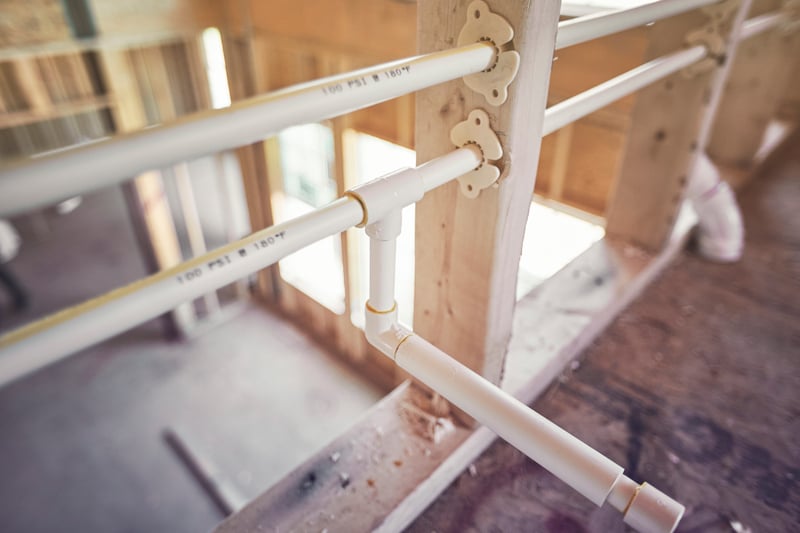
FlowGuard Gold CPVC plumbing systems have been installed in millions of homes and are widely recognized for dependable performance and installation efficiency. Trusted by plumbing professionals across North America, FlowGuard Gold CPVC provides homeowners with confidence that their upgraded plumbing infrastructure is designed to support reliable, long-term performance.
As more homeowners focus on replacing aging plumbing, choosing a solution with an established history of successful installation can help simplify decision-making and support positive project outcomes.
Modernization Is About More Than Pipes
Replacing aging plumbing is ultimately about protecting your home's future. Reliable plumbing infrastructure supports everyday comfort, helps reduce maintenance concerns, and aligns with long-term homeownership goals.
Whether your home is experiencing recurring plumbing issues, undergoing a renovation, or simply reaching an age where evaluation makes sense, taking a proactive approach can help you make informed decisions before small concerns become more significant problems.
Related Resources

Portions of this content may have been generated, edited, or enhanced using artificial intelligence (AI) tools. All content has been reviewed by the FlowGuard Gold CPVC team for accuracy, quality, and relevance.