
Why Hydraulic Performance Matters in Plastic Plumbing System Design
FlowGuard Gold® CPVC | Multi-Family | residential plumbing | Plumbing Systems
When people think about plumbing performance, they often focus on whether water reaches the fixture. However, true hydraulic performance is about how efficiently water moves through the entire system. Factors such as pipe size, fitting design, material selection, and system layout all influence pressure, flow rates, and overall occupant satisfaction.
Whether designing a multifamily property, commercial building, or custom home, optimizing hydraulic performance can help improve reliability, minimize pressure loss, and create a better experience for building occupants.
What Is Hydraulic Performance?
Hydraulic performance refers to a plumbing system's ability to move water efficiently while maintaining adequate pressure and flow throughout a building.
A high-performing system helps:
- Deliver consistent fixture performance
- Maintain water pressure during peak demand
- Reduce unnecessary energy consumption
- Minimize plumbing noise and turbulence
- Extend system longevity
Poor hydraulic performance can result in low flow rates, pressure fluctuations, and higher operating costs.
How Pipe Size Impacts Water Flow Efficiency
Pipe sizing is one of the most important design considerations in any plumbing system.
When pipes are too small, water velocity increases and friction loss becomes more significant. This can reduce the pressure available at fixtures and negatively impact system performance.
Conversely, oversized pipes may increase installation costs and prolong hot-water delivery times.
The most efficient systems balance expected demand with appropriate pipe sizing to support long-term performance.
The Hidden Impact of Fittings
While pipe diameter receives significant attention during system design, fittings also contribute to hydraulic performance.
Every elbow, tee, valve, and directional change creates resistance as water moves through the system. Sharp turns can generate turbulence and increase pressure loss throughout the distribution network.
Modern plumbing systems benefit from streamlined fitting designs that promote smoother flow paths and reduce unnecessary restrictions.
Understanding Pressure Loss in Plumbing Systems
Pressure loss occurs naturally as water travels through pipes and components.
Several factors contribute to pressure loss, including:
|
Factor |
Effect on System Performance |
|
Pipe Size |
Smaller diameters increase friction loss |
|
Pipe Length |
Longer runs create more resistance |
|
Water Velocity |
Higher velocities increase pressure loss |
|
Fittings |
Additional fittings add resistance |
|
Interior Surface Condition |
Rougher surfaces increase friction |
Managing these variables is essential for maintaining water flow efficiency throughout the building.
How Plumbing Materials Influence Hydraulic Performance
The interior surface of a piping material can have a meaningful effect on flow efficiency.
CPVC
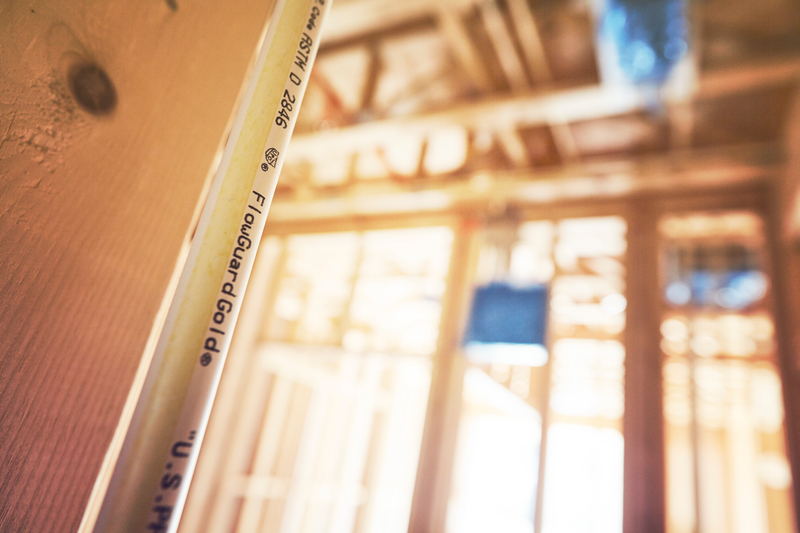
CPVC piping features smooth interior walls that help support efficient water movement while resisting scale buildup that can affect flow over time.
Because hydraulic performance depends on maintaining consistent internal diameters, materials that resist buildup can help preserve long-term system efficiency.
Related Reading: CPVC vs. PEX in Multifamily
PEX
PEX offers smooth internal surfaces and installation flexibility that can reduce the number of fittings required in certain applications.
Fewer directional changes may contribute to lower overall pressure losses in some system configurations.
Why Hydraulic Performance Matters in Multifamily and Commercial Buildings
Large buildings often face periods of simultaneous water demand.
In multifamily properties, residents expect reliable pressure regardless of how many fixtures are being used throughout the building.
Commercial facilities such as hotels, offices, and healthcare buildings also depend on efficient water distribution to maintain consistent performance.
Optimizing hydraulic performance can help:
- Improve occupant satisfaction
- Support peak-demand conditions
- Reduce pressure-related complaints
- Lower pumping energy requirements
- Enhance long-term system reliability
The Role of System Layout
Plumbing layout influences hydraulic performance just as much as material selection.
Traditional trunk-and-branch systems remain a popular approach because they efficiently distribute water throughout larger buildings.
However, proper sizing and routing remain critical to minimizing pressure losses and maintaining consistent performance.
Related Reading: Trunk-and-Branch Systems
Projects that incorporate high-flow fixtures, including luxury shower systems, may require additional hydraulic calculations to ensure the desired performance.
Related Reading: Luxury Shower Sizing
Designing for Long-Term Performance
A high-performing plumbing system is the result of thoughtful design choices made early in the project.
Best practices include:
- Proper pipe sizing
- Efficient fitting selection
- Strategic system layouts
- Materials that maintain smooth internal surfaces
- Controlled water velocities
- Accurate demand calculations
Together, these considerations help maximize water flow efficiency while minimizing pressure loss in plumbing systems.
Conclusion
Hydraulic performance affects every aspect of a plumbing system, from fixture operation and occupant comfort to long-term operating costs. By understanding how pipe sizing, fitting design, material selection, and system layout influence water movement, designers and contractors can create plumbing systems that deliver reliable performance for years to come.
For multifamily, commercial, and residential projects alike, prioritizing hydraulic performance is an investment in efficiency, reliability, and customer satisfaction.